Monster DIY: Mix Beats
HIGAME GLOBALMusic
4.5148.00 Reviews
- Version
- 0.1.5
- Installs
- 5.00M
- Age Rating
- Teen
Screenshots
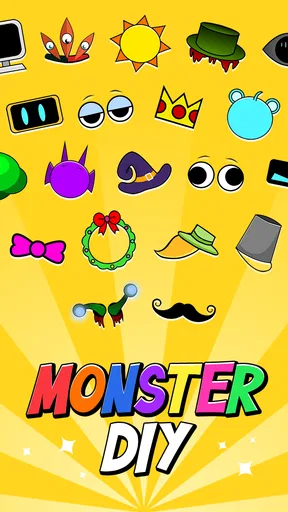
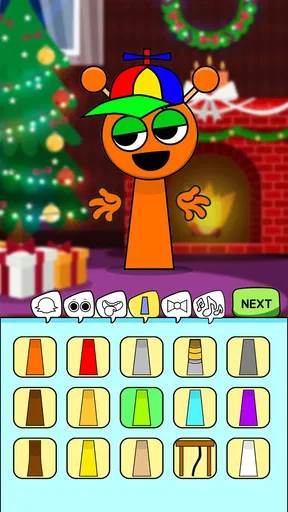
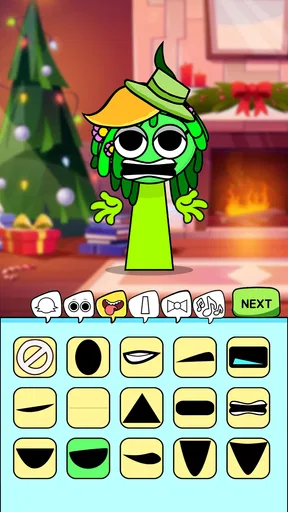
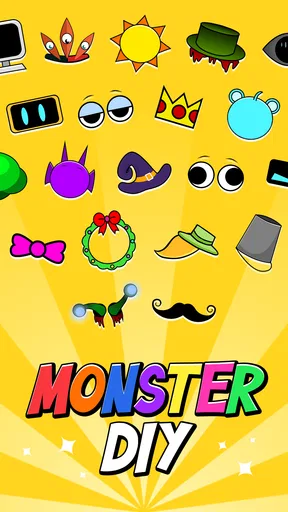
Our Review of Monster DIY: Mix Beats
 Analysis by Appyee
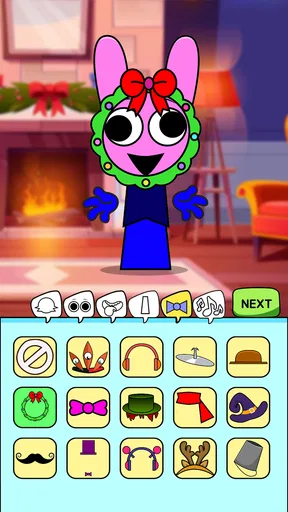
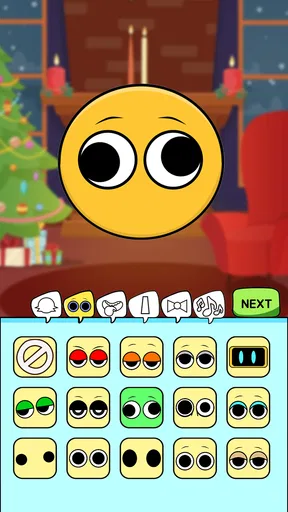
I started playing Monster DIY: Mix Beats expecting a small music game built around silly character customization, and that is exactly where its appeal lies. It is light, playful, and easy to understand: you create a funny monster, watch the result perform, and experiment with beat combinations rather than learning a complicated rhythm system. The experience feels closer to a creative toy with musical feedback than to a full music-production app, which makes it immediately approachable.
That simplicity is also the key to deciding whether it belongs on your phone. If you want a quick distraction, enjoy amusing monster designs, or like seeing small creative choices turn into a visual performance, HIGAME GLOBAL’s game is easy to recommend. If you are searching for precise rhythm challenges, deep song editing, or a serious beat-making workspace, you should set your expectations differently. I found the best way to enjoy it was to treat each session as a short experiment instead of expecting a complete music studio.
How the basic monster-and-beat workflow feels
The first useful habit is to separate the game into two simple activities: making the character and listening to the result. I usually begin by choosing a monster setup without trying to optimize anything. That gives me a quick sense of the visual style before I start changing the musical elements. Once the character is ready, I pay attention to how the beat combination changes the mood of the performance. This makes the process feel more deliberate than tapping through every option randomly.
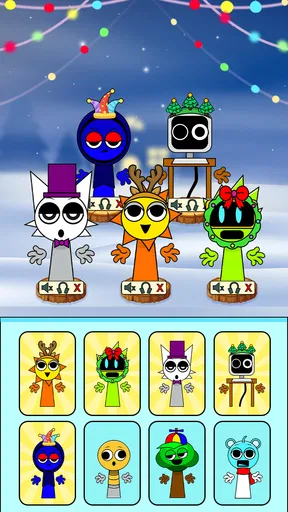
The store summary describes the central idea clearly, but the enjoyable part is the small loop between choice and reaction. You make a funny monster, let it dance, and then decide whether the beat feels entertaining enough to keep. I liked that the game does not require a long preparation period. It works well when I have only a few minutes, because I can open it, make one unusual combination, watch it play, and stop without losing a large block of time.
For a realistic everyday example, I can imagine using it during a short break from studying or while waiting for a friend. I would create one monster with a deliberately strange look, choose a beat that clashes with the visual style, and watch the result. That kind of mismatch is often more amusing than trying to make everything feel polished. The game rewards curiosity more than perfection, so a failed combination still gives you something to smile at.
It is worth remembering that this is a game in the music category, not a conventional instrument app. You are not expected to build a complete track from individual notes, record vocals, or perform a song with timing accuracy. The musical choices support the monster presentation. That distinction matters because someone looking for a piano trainer or a beat sequencer would probably find the interaction too limited.
I also found that the visual side should not be treated as decoration only. The monster is the part that gives each experiment its personality. A beat that sounds ordinary on its own can become funnier when paired with an exaggerated design or an unexpected dance. My practical approach is to choose the appearance first, form an idea about the character’s personality, and then select music that either matches or intentionally contradicts it.
The game is free, which makes this low-commitment style especially convenient. You can try the central loop without deciding that you are investing in a long campaign or a demanding hobby. At the same time, free access does not automatically make it suitable for every player. The experience is more attractive to people who enjoy playful repetition than to players who need constant progression, competitive depth, or a large collection of structured challenges.
Small choices that make short sessions more enjoyable
My first concrete tip is to avoid changing several things at once. When I alter the monster and the beat together, I cannot tell which decision made the result better. Changing one element, watching the performance, and then changing another creates a simple comparison process. It turns a casual game into a tiny creative exercise and helps me remember which combinations actually worked.
A second useful habit is to keep a mental “theme” for each session. I might aim for a monster that looks cheerful but dances to a darker-sounding beat, or build something visually chaotic and pair it with a calmer rhythm. This gives a short play period a clear purpose. Without a theme, it is easy to tap through options quickly and feel that every result blends together.
I also recommend showing a finished combination to another person rather than explaining it. The humor depends on the monster’s appearance and movement, so a quick visual demonstration communicates more than a description. This makes the game suitable for casual sharing with family or friends, although the Teen content rating means adults should use their own judgment about whether it fits a younger player.
Settings, controls, and habits worth checking
Before settling into repeated sessions, I would check the available in-game controls and device audio behavior. I do not treat this as a complicated setup process; it is simply a way to make the experience more comfortable. Music-focused games can feel irritating if the sound is unexpectedly loud, especially when opened in a quiet room. I prefer starting at a moderate volume and then adjusting it rather than letting the first performance decide for me.
It is also useful to notice how the game behaves when you pause your attention or move away from it. A short-form experience is most convenient when it fits naturally around other activities, but I would not assume that every session state is preserved exactly as I expect. My practical rule is to finish a combination before leaving the game instead of abandoning it halfway through an experiment. That avoids frustration and keeps the app feeling like a quick activity rather than another task to manage.
The current version is 0.1.5, so I approach it as a relatively early experience rather than a finished, expansive music platform. That does not prevent it from being enjoyable, but it does affect how I judge it. I focus on whether the monster-making loop is amusing and clear, not on whether it offers the range of tools found in mature music games. Players who enjoy trying small releases may appreciate that focused feel; players who expect a large, polished system may notice the narrow scope quickly.
Compatibility is fairly broad because the game supports Android devices from version 7.1 onward. That is helpful if you are using an older phone and want to try a lightweight music game without needing a recent operating system. Still, the age of a device can affect comfort in ways that the operating-system requirement does not reveal. On a smaller or slower phone, I would keep expectations centered on the simple creative loop rather than assuming the same smoothness as on newer hardware.
One setting-related trade-off is the difference between playing privately and playing socially. With sound enabled, the beats help sell the monster’s performance. With sound reduced or muted, the visual comedy remains, but much of the musical contrast becomes harder to judge. I would use headphones when I want to compare beat choices carefully, and the phone speaker when I am simply watching a funny result during a break.
Another practical point is attention. The game is easy to understand, but the most satisfying combinations may require a moment of listening instead of immediate tapping. I try to let a performance finish before making my next change. That small pause prevents the session from becoming a blur of menus and makes it easier to decide whether I genuinely like a result.
How experienced players can move through choices faster
After becoming familiar with the basic loop, I stopped treating every option as equally important. I first choose a visual direction, then test a beat that should fit it, and finally try one contrasting beat. This two-pass method is faster than exploring every possibility without a plan. It also creates a useful comparison: one result shows what the monster is meant to be, while the other reveals whether the game is funnier when the match is deliberately imperfect.
I use another repeatable pattern when I want a quick session. I make one safe combination, one exaggerated combination, and one deliberately odd combination. The safe version gives me a baseline, the exaggerated version tests the game’s comic side, and the odd version often produces the most memorable result. Even without a formal scoring goal, this structure keeps the session from feeling repetitive.
For people playing with children or friends, I would turn those patterns into a simple challenge: one person chooses the monster’s look and another chooses the beat. The important limitation is that this is a house rule, not a built-in competitive mode. That distinction matters because the game’s strength is shared improvisation, not a documented tournament system. It works best when everyone understands that the goal is to create an entertaining performance rather than prove who has the highest score.
I would also avoid spending too long searching for a perfect result. The humor comes partly from surprise, and excessive adjustment can remove that surprise. Once a combination is amusing, I save the idea mentally, show it to someone, or move on to a new theme. This keeps the game fresh for longer than repeatedly polishing one monster that was already good enough.
The game’s audience numbers suggest that the concept has reached a substantial Android audience: it has more than five million installs and an average rating of 4.5 from roughly thirty-one thousand ratings. Those figures do not tell me that every player will enjoy it, but they do fit my impression that the central idea is immediately accessible. The appeal is broad because the controls and objective are easy to grasp, even when the creative depth remains modest.
Where the experience reaches its limits
The biggest limitation is that the game’s musical side should not be confused with full composition. I can mix the available ideas into a playful result, but I would not use it to learn rhythm theory, arrange a song, or export a polished track. Someone who wants detailed control over tempo, structure, instruments, or recording should choose a dedicated music-making app instead. Monster DIY: Mix Beats is about the reaction between a character and a beat, not about owning every part of the sound.
Repetition is another factor. The short sessions are a strength at first, especially when I am experimenting with funny combinations. Over time, however, players who need missions, story development, or a strong progression system may feel that the loop lacks direction. I would recommend it more confidently as a casual companion game than as the only music game installed on a phone.
The Teen rating is also relevant when deciding who should play. The premise sounds harmless and cartoon-like, but the official age guidance should be respected rather than ignored because the characters look funny. For an adult, this is a simple choice: check whether the rating fits the person who will use the device. I would not present it automatically as a children’s game just because its style is colorful.
There is a difference between using the game on a quiet commute and using it in a shared room. The beats and monster performances are designed to be noticed, but repeated sounds can become distracting to others. Headphones solve that problem when appropriate, while muting the game reduces the musical feedback that makes the combinations meaningful. This is a small trade-off, yet it affects whether the game feels convenient in everyday use.
I also think players should be realistic about the meaning of the version number. At 0.1.5, the game may appeal to people who enjoy a focused concept in a developing form, but I would not choose it because I expect a huge feature set. My recommendation is based on the charm of the current loop: if creating and watching a dancing monster already sounds entertaining, the limited scope is easier to accept. If you need extensive variety from the beginning, another music game will probably serve you better.
The developer, HIGAME GLOBAL, has positioned this release around a clear, approachable idea rather than a complex simulation. That clarity is useful, but it also means there is less room to hide weaknesses. Once the novelty of the monster presentation fades, the quality of your experience depends on whether you enjoy making your own reasons to keep experimenting. I see that as an honest trade-off, not a flaw that can be solved by playing longer.
Who should install it and who should pass
I would suggest it to casual players who like visual humor, short creative tasks, and music that reacts to their choices. It is especially suitable for someone who wants an uncomplicated game to open during a break, or for friends who enjoy comparing strange character-and-beat combinations. The free price removes much of the risk involved in trying it, and the broad Android support makes it accessible to people with older devices.
I would be more cautious about recommending it to rhythm-game specialists. If your favorite part of a music game is hitting notes precisely, improving a score, unlocking a long sequence of songs, or mastering difficult timing patterns, this may feel too loose. Likewise, musicians looking for a practical beat-making tool should use a real production app. The game can inspire a silly musical idea, but it is not a replacement for composing.
Compared with a standard rhythm game, this experience gives me more freedom to create a character and less pressure to perform accurately. Compared with a music-making app, it gives me a much faster visual payoff and far less control over the sound. That middle position is its identity. It is not trying to win on technical depth; it wins when a simple combination makes me laugh or makes a short break feel more playful.
My verdict after building a repeatable play style
My final opinion is positive, with a clear condition: enjoy it for its compact monster-and-beat concept rather than expecting a complete music system. The most rewarding way to play is to use a repeatable routine—choose a visual theme, test a matching beat, try one contrast, and stop once the result has made its point. That approach keeps the game lively and avoids the fatigue that comes from searching endlessly for a perfect combination.
The best reason to try it is the quick creative feedback, not long-term progression. A funny monster can make an ordinary few minutes more entertaining, and the musical layer gives each visual choice a little extra personality. I appreciate that the game can be understood immediately while still leaving room for personal experiments, even if that room is narrower than in a dedicated music tool.
At the same time, I would not recommend installing it as your main music game if you want measurable skill development or deep customization. Its early version, focused scope, and casual structure are easier to enjoy when you already know what kind of experience you are getting. The Teen rating should guide the audience decision, and the sound should be managed thoughtfully in shared spaces.
With more than five million installs and a 4.5 average from around thirty-one thousand ratings, it is clear that the concept has found an audience. My own recommendation is simple: try it when you want a free, amusing experiment rather than a demanding challenge. If you like making odd combinations, watching them come alive, and moving on before the joke wears out, this music game earns a place in that short-break rotation.
Privacy and Permissions
See what permissions an app requests and how it handles your data.
- Wi-Fi connection information
- view Wi-Fi connections
- Other
- view network connections, full network access, control vibration, prevent device from sleeping
Verdict
Strengths of Monster DIY: Mix Beats
- Simple drag-and-drop controls make beat creation easy for beginners.
- Bright monster designs give the app a playful and memorable visual style.
- Short sessions work well for quick creative breaks or casual play.
- Experimenting with different monster combinations encourages musical creativity.
- The interactive format can make rhythm and sound more engaging for children.
Limitations of Monster DIY: Mix Beats
- The music options may feel limited after repeated sessions.
- Some combinations can sound repetitive rather than forming complete songs.
- The cartoon-focused presentation may not appeal to serious music creators.
- Progression may offer little motivation once the main characters are unlocked.
- You may encounter ads or prompts that interrupt the creative flow.
Other Releases by HIGAME GLOBAL
View All
BOBA DIY™: Tasty Tea Simulator
Casual4.5

Idol Prank Video Call & Chat
Casual3.8

Keyboard Obby: ASMR Speed Run
Casual4.6

Paint & Hide: Color Guys
Casual3.1
Similar Picks in This Category
View All
Tiles Hop Music & Ball Game
AMANOTES PTE. LTD.4.3

Magic Tiles 3™ - Piano Game
AMANOTES PTE. LTD.4.6

Real Piano
Bilkon3.7

Piano Game: Classic Music Song
Dream Tiles Piano Game Studio4.0

Smash Colors: Music Ball Rush
BADSNOWBALL HONGKONG LIMITED4.2

Piano Music Go-EDM Piano Games
Joy Journey Music Games4.5
Frequently Asked Questions
What is Monster DIY: Mix Beats?
Monster DIY: Mix Beats is a casual music and customization game in which you create entertaining monster characters and combine different visual and sound elements. Each character contributes a beat, melody, or vocal effect, allowing you to build playful musical arrangements while experimenting with the cast. It is designed for quick sessions and creative trial and error rather than advanced music production.
How does the gameplay work in Monster DIY: Mix Beats?
The main gameplay revolves around selecting, mixing, and arranging monster parts or characters to produce different beat combinations. You can try various designs and listen to how the resulting performance changes. The controls are generally simple and suitable for casual players, although some combinations may require experimentation to discover the most amusing or satisfying results.
Is Monster DIY: Mix Beats free to download and play?
Monster DIY: Mix Beats may be available as a free download, but the exact monetization model can vary depending on the platform and version. Free games of this type commonly include advertising, optional purchases, or locked content that can be unlocked through progress. Before installing, check the Google Play Store or App Store listing for current pricing, in-app purchase details, and regional availability.
Does Monster DIY: Mix Beats require an internet connection?
The basic creative and mixing features may work without a constant internet connection, which makes the game convenient for short offline sessions. However, internet access can still be needed for advertisements, certain updates, cloud-related features, purchases, or newly added content. Because requirements may change after updates, it is best to test the game offline after installation rather than assuming every feature will be available.
Is Monster DIY: Mix Beats suitable for children?
Monster DIY: Mix Beats uses colorful characters, simple interactions, and playful music, so it may appeal to younger players as well as casual adult users. Nevertheless, parents should review the store rating, advertising behavior, privacy information, and any available in-app purchases before allowing unsupervised play. If children use the app, parental controls are recommended to prevent accidental purchases or exposure to unsuitable advertisements.
Play our best games!


